Buy designtomove.eu ?
We are moving the project
designtomove.eu .
Are you interested in purchasing the domain
designtomove.eu ?
domain@kv-gmbh.de · 0541-91531010
Buy designtomove.eu ?
What is the difference between daily contact lenses, monthly contact lenses, and yearly contact lenses?
The main difference between daily, monthly, and yearly contact lenses is their replacement schedule. Daily contact lenses are designed to be worn once and then discarded, making them convenient and hygienic. Monthly contact lenses are meant to be worn for up to 30 days before being replaced, while yearly contact lenses can be worn for up to a year with proper care and cleaning. Each type of contact lens has its own advantages and considerations, such as cost, convenience, and maintenance requirements. **
What would you recommend: daily contact lenses or monthly contact lenses?
The choice between daily and monthly contact lenses depends on individual preferences and needs. Daily contact lenses are convenient and hygienic as they are disposed of after each use, reducing the risk of eye infections. They are also ideal for occasional wearers. On the other hand, monthly contact lenses are cost-effective and environmentally friendly, as they are replaced less frequently. They are suitable for regular wearers who are comfortable with the maintenance routine. Ultimately, it is best to consult with an eye care professional to determine the most suitable option based on your lifestyle and eye health. **

Similar search terms for Contact lenses
Top-Angebote
Products related to Contact lenses:

-
Do you find glasses stylish or do you prefer contact lenses?
As a language model AI, I don't have personal preferences. However, both glasses and contact lenses can be stylish and practical options for vision correction. Some people may find glasses to be a stylish accessory that complements their look, while others may prefer the convenience and natural look of contact lenses. Ultimately, the choice between glasses and contact lenses comes down to individual preference and lifestyle. **
-
Who wears contact lenses?
Contact lenses are worn by people who have vision problems such as nearsightedness, farsightedness, astigmatism, or presbyopia. They are also worn by individuals who prefer not to wear glasses for aesthetic reasons or for activities where glasses may be impractical, such as sports. Contact lenses are available for people of all ages, from children to older adults. **
-
Can contact lenses rotate?
Yes, contact lenses can rotate on the eye. This can happen due to factors such as blinking, eye movement, or the fit of the lens on the eye. However, excessive rotation of contact lenses can lead to discomfort, blurry vision, or improper alignment of the lens with the eye. It is important to ensure that contact lenses fit properly and stay in the correct position on the eye to maintain clear vision and comfort. **
-
Can contact lenses twist?
Yes, contact lenses can twist or rotate on the eye. This can happen due to factors such as blinking, rubbing the eyes, or improper placement of the lens. If you experience discomfort or blurry vision while wearing contact lenses, it is important to check if the lens has twisted and reposition it if necessary. Twisting of contact lenses can also occur if the lens is not properly fitted or if the prescription is incorrect. **
For divers: Contact lenses?
Contact lenses can be a good option for divers who need vision correction underwater. They provide better peripheral vision compared to traditional diving masks with prescription lenses. However, divers should be cautious about water getting into their eyes while wearing contact lenses, as this can lead to discomfort or infection. It is important to consult with an eye care professional before using contact lenses for diving to ensure they are the right choice for your specific needs. **
What bothers contact lenses?
Contact lenses can be bothered by a variety of factors, including dryness, dust, debris, and protein buildup. Dryness can cause discomfort and irritation, while dust and debris can get trapped under the lens, causing discomfort and potentially scratching the eye. Protein buildup can also occur on the surface of the lens, leading to blurred vision and discomfort. It's important to properly clean and care for contact lenses to minimize these bothersome factors. **
Top-Angebote
Products related to Contact lenses:
-
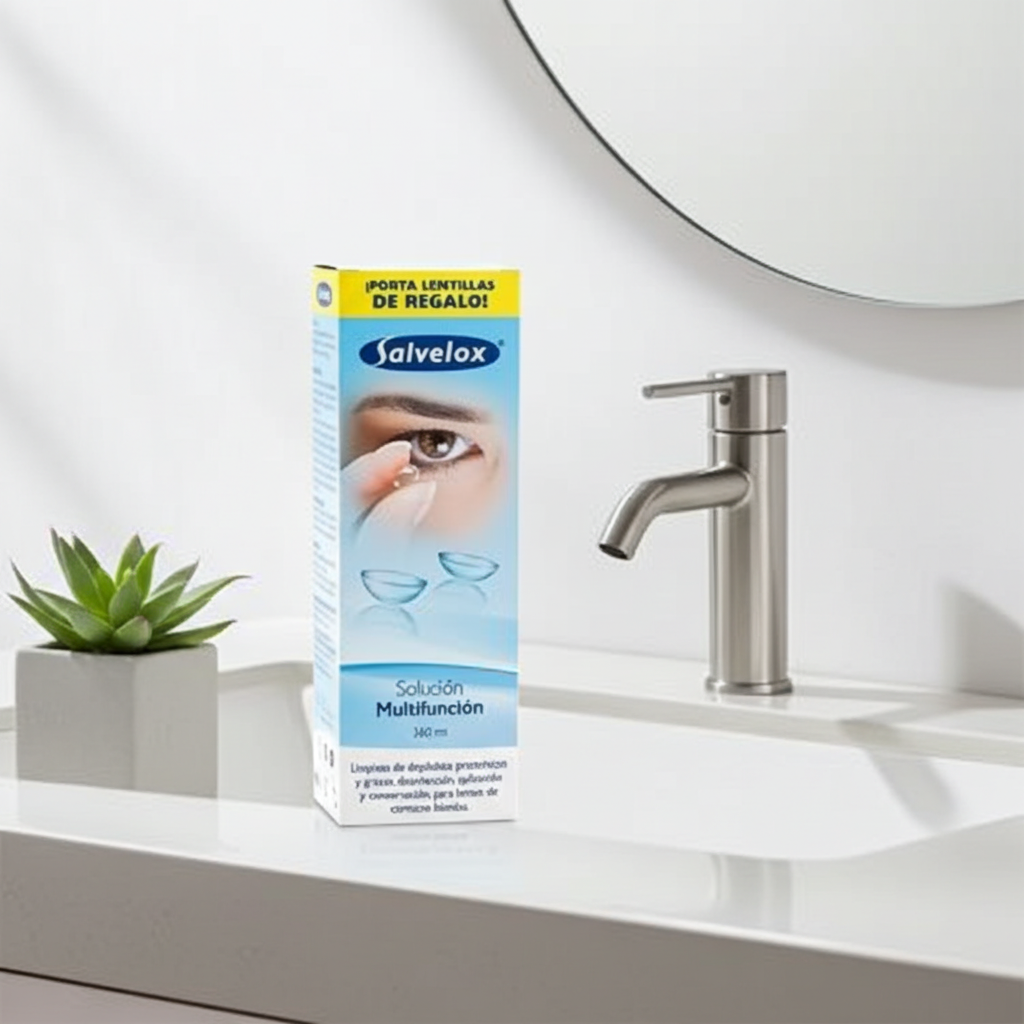
Salvelox Single Lens Multifunctional Solution for Flexible Contact Lenses 360mLA skin-care product. Single Lens Solution is a comprehensive solution for the care of flexible contact lenses. It combines effective cleaning, disinfection, and protein elimination to enhance lens comfort. The sterile, isotonic aqueous solution features key agents:. Polyhexanide: A potent biocidal disinfectant and preservative that maintains lenses free of bacteria and germs.11,31 £*Shipping: 7,03 £Secure redirect to the provider
-
What is the difference between daily contact lenses, monthly contact lenses, and yearly contact lenses?
The main difference between daily, monthly, and yearly contact lenses is their replacement schedule. Daily contact lenses are designed to be worn once and then discarded, making them convenient and hygienic. Monthly contact lenses are meant to be worn for up to 30 days before being replaced, while yearly contact lenses can be worn for up to a year with proper care and cleaning. Each type of contact lens has its own advantages and considerations, such as cost, convenience, and maintenance requirements. **
-
What would you recommend: daily contact lenses or monthly contact lenses?
The choice between daily and monthly contact lenses depends on individual preferences and needs. Daily contact lenses are convenient and hygienic as they are disposed of after each use, reducing the risk of eye infections. They are also ideal for occasional wearers. On the other hand, monthly contact lenses are cost-effective and environmentally friendly, as they are replaced less frequently. They are suitable for regular wearers who are comfortable with the maintenance routine. Ultimately, it is best to consult with an eye care professional to determine the most suitable option based on your lifestyle and eye health. **
-
Do you find glasses stylish or do you prefer contact lenses?
As a language model AI, I don't have personal preferences. However, both glasses and contact lenses can be stylish and practical options for vision correction. Some people may find glasses to be a stylish accessory that complements their look, while others may prefer the convenience and natural look of contact lenses. Ultimately, the choice between glasses and contact lenses comes down to individual preference and lifestyle. **
-
Who wears contact lenses?
Contact lenses are worn by people who have vision problems such as nearsightedness, farsightedness, astigmatism, or presbyopia. They are also worn by individuals who prefer not to wear glasses for aesthetic reasons or for activities where glasses may be impractical, such as sports. Contact lenses are available for people of all ages, from children to older adults. **
Similar search terms for Contact lenses
-
Can contact lenses rotate?
Yes, contact lenses can rotate on the eye. This can happen due to factors such as blinking, eye movement, or the fit of the lens on the eye. However, excessive rotation of contact lenses can lead to discomfort, blurry vision, or improper alignment of the lens with the eye. It is important to ensure that contact lenses fit properly and stay in the correct position on the eye to maintain clear vision and comfort. **
-
Can contact lenses twist?
Yes, contact lenses can twist or rotate on the eye. This can happen due to factors such as blinking, rubbing the eyes, or improper placement of the lens. If you experience discomfort or blurry vision while wearing contact lenses, it is important to check if the lens has twisted and reposition it if necessary. Twisting of contact lenses can also occur if the lens is not properly fitted or if the prescription is incorrect. **
-
For divers: Contact lenses?
Contact lenses can be a good option for divers who need vision correction underwater. They provide better peripheral vision compared to traditional diving masks with prescription lenses. However, divers should be cautious about water getting into their eyes while wearing contact lenses, as this can lead to discomfort or infection. It is important to consult with an eye care professional before using contact lenses for diving to ensure they are the right choice for your specific needs. **
-
What bothers contact lenses?
Contact lenses can be bothered by a variety of factors, including dryness, dust, debris, and protein buildup. Dryness can cause discomfort and irritation, while dust and debris can get trapped under the lens, causing discomfort and potentially scratching the eye. Protein buildup can also occur on the surface of the lens, leading to blurred vision and discomfort. It's important to properly clean and care for contact lenses to minimize these bothersome factors. **
* All prices are inclusive of VAT and, if applicable, plus shipping costs. The offer information is based on the details provided by the respective shop and is updated through automated processes. Real-time updates do not occur, so deviations can occur in individual cases. ** Note: Parts of this content were created by AI.